Winter Roof Inspection: Assessing and Addressing Cold-Related Damage
It is essential for any commercial facility to have an industrial roof inspection performed at least once per year, regardless of the commercial building’s roof type. However, Capital Roof Care recommends at least two inspections per year, with one during the winter season.
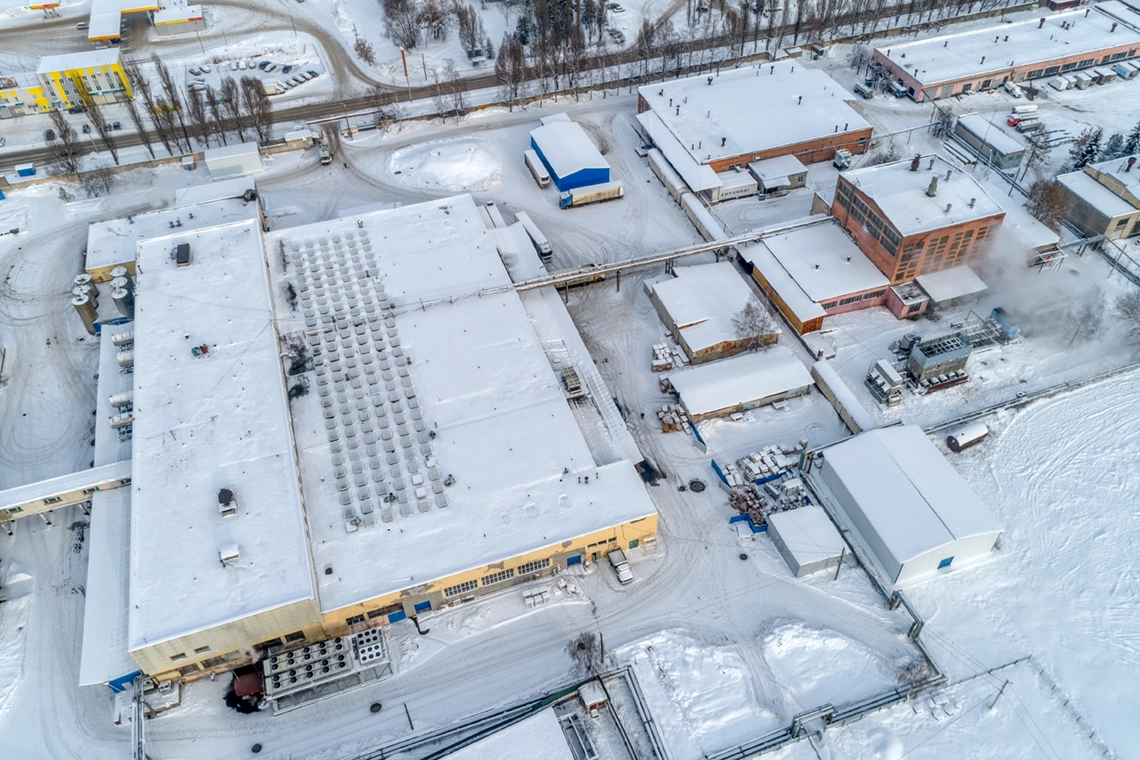
“That’s because one of the most important seasonal maintenance tasks for protecting the lifespan, performance, and safety of your roofing system is having a winter roof inspection,” said Merv Fisher, CEO of Capital Coating and Capital Roof Care. “Cold temperatures, snow, ice, and freeze-thaw cycles create unique stresses on a commercial roof that don’t occur during warmer seasons.”
By assessing and addressing cold-related damage early, facility managers can dramatically reduce repair costs and extend the life of their industrial roofs.
In this blog, we will share why a winter commercial roof assessment is essential, what roofing elements should be reviewed during a winter inspection, and how assessing and addressing cold-related damage will improve your industrial roof.
Why Winter Roof Inspections Are Essential
When performing a winter commercial roof inspection, it is crucial to keep safety in mind. More specifically, the roof inspector should avoid icy conditions, try to schedule the assessment during the middle of the day when temperatures are the warmest, and utilize designated walkways or roofing pads when on the roof deck. Once all these safe precautions are in place, the inspection can begin. There are four main reasons why an annual winter roof inspection is essential.
Freeze-Thaw Cycles Damage Roofing Materials
Conducting a winter roof inspection will ensure that the freeze-thaw cycle doesn’t damage roofing materials. When the temperature drops, roofing materials shrink. However, if water is present – say on the roof membrane – it will cause the membrane (or any other component) to expand. As a result, something that may seem like a minor roofing issue, such as small membrane punctures, can worsen quickly in freezing temperatures. That’s because when water enters a weak point and expands as it freezes, it can turn a small defect into a larger hole, which can lead to a future commercial roof leak.
Because of climate change, many areas in the northeast now experience severe temperature swings from day to day during the winter months; so, the freeze-thaw cycle is a very real problem. In addition to roofing component expansion, the following issues can also occur when temperatures bounce above and below freezing.
- Melted snow refreezes under membranes or in cracks
- Widened gaps occur, forcing materials apart due to expansion
- Stressed flashings become brittle in extreme cold
- Repeated freeze-thaw cycles accelerate roof deterioration.
Winter Weather Magnifies Existing Roof Weaknesses
The second reason you want to conduct a winter roof inspection is to spot minor problems before they become an emergency roofing repair. To do this, you should inspect roofing membrane cracks or splits, shrinkage around any roof penetrations, and loose seams that could be letting in cold air and/or moisture.
“It’s also important to check drains, scuppers, and gutters,” said Fisher. “In the fall, leaves, sticks, and trash can accumulate on the roof deck. As a result, when snow piles up and melts, it can cause ponding, increased membrane stress, and accelerated deterioration to adhesives and seams. Overflowing gutters can also freeze and break away from a building.”
By correcting these issues early, facility managers can prevent winter weather from magnifying any existing roof weaknesses.
Heavy Snow and Ice Add to Structural Load
The third reason why a winter roof inspection is essential is to ensure snow and ice don’t compromise your commercial roof’s structural load. If a significant amount of snow and ice accumulates on the roof deck, it must be removed. That’s why it’s so important to climb up to the top of your roof and inspect it, especially after a winter storm.
Commercial roofs, especially those with flat or low-slope designs, are more vulnerable to snow and ice buildup. If the snow and ice are significant and are not removed from the roof deck, it can lead to:
- Stress on structural support members, such as support beams and purlins
- Clogged drains or scuppers
- Ponding water under melting snow
- Sagging roof or a roof collapse in extreme cases.
You can reinforce areas prone to heavy snow accumulation or ice formation, such as valleys and overhangs, by adding snow guards or installing an ice and water shield. You may also consider applying a weatherproof roof coating or sealant to the roof membrane to extend its life and prevent moisture penetration during winter months. It’s also important to ensure protective coatings and membranes don’t blister or peel due to ice expansion. Always use a plastic shovel or soft brush when removing snow. You never want to chip or hammer frozen sections.
Ice Dams Can Cause Hidden Water Intrusion
The final reason you want to conduct a winter roof inspection is to check for ice dams, which form when heat escapes from a building and melts rooftop snow. This water then re-freezes at the roof’s edge and can force water backward under membranes or flashing. Inspections will help to identify insulation gaps, poor roof drainage, and blockages. Removing ice dams will prevent saturated insulation and moisture infiltration, which often go unnoticed until spring. In addition to inspecting water intrusion on the roof, you also want to conduct an assessment inside your facility.
What to Check During a Winter Roof Inspection
Now that you understand the four reasons you should conduct a winter roof inspection, you need to know which items should be checked as part of the inspection process. In addition to examining specific elements of the roof, there are best practices to keep in mind.
Maintenance Records
“The first thing the inspector should do before examining the roof is review the roof’s maintenance records from the previous year,” said Bill Morgan, President of Capital Roof Care. “This documentation provides a clear record of the roof’s condition. A good maintenance record should include notes on existing damage, areas of concern, repairs made over time, and notes on the roof’s overall health.”
Maintenance records will also help support warranty compliance. Most commercial roof warranties require documented inspections, or warranty claims can be denied. Proper documentation ensures you are meeting requirements, helps avoid warranty disputes, and proves damage was not caused by neglect.
Exterior Inspection
Once the maintenance records have been reviewed, it’s time to conduct an exterior winter roof inspection. This inspection should include:
- Inspecting all roofing materials
- Clearing and checking drainage, gutters, and downspouts to ensure they are functional
- Examining flashing and seals
- Checking insulation and ventilation
- Assessing the roof’s structural integrity.
Interior Inspection
After the exterior of your roof is inspected, it’s time to perform an interior inspection. Have your inspector observe the ceiling below the roof. The following items should be examined to determine if a leak or water damage is present inside your commercial structure.
- Water stains or bowed panels
- Mold or mildew growth on the interior walls or ceiling
- Sagging ceiling, which can be caused by prolonged water damage.
“It’s a good idea to ask your employees to pay attention to anything that sounds different during the winter months, too,” said Fisher. “Unusual sounds or movement, such as creaking, popping, or a crackling noise, could indicate structural stress.”
How Addressing Cold-Related Damage Improves Your Roof
Now that you know why a winter roof inspection is essential and the items that should be inspected, you can address cold-related damage to improve the longevity of your commercial roof. There are several benefits of proactively addressing cold-related damage.
Extends Roof Lifespan
The first benefit of addressing cold-related damage is that you can extend your roof’s lifespan. “Every crack, seam gap, or penetration defect you repair early slows overall aging,” said Morgan. “Small winter repairs often prevent full membrane replacements, large-scale tear-offs, and costly structural repair.” Moreover, a roof that receives winter maintenance can last years longer than a roof that does not.
Improves Energy Efficiency
The second benefit of addressing cold-related roof damage is improved energy efficiency for your facility. For example, destruction created by air leaks and insulation gaps forces heating systems to work overtime. By addressing these issues before they turn into emergency roof repair costs, a commercial space can reduce its heat loss, stabilize indoor temperatures, and lower overall facility utility costs. Properly sealed roofs also minimize warm air escape and prevent the formation of ice dams.
Strengthens Moisture Defense
The third benefit of addressing cold-related roof damage is that it prevents water intrusion. Winter vulnerabilities frequently lead to springtime leaks. By addressing cold-related weak points, you can ensure your roofing membranes remain watertight, protect your insulation from saturation, and prevent mold growth inside your facility. A dry roof system is also stronger, lighter, and more efficient.
Ensures Proper Drainage
The fourth benefit of addressing cold-related roof damage is that you can ensure proper drainage. Ice and snow frequently block drains and scuppers, causing water to sit on a roof deck. Standing water dramatically shortens the life of single-ply and built-up roofing. By ensuring water flows off your roof correctly, your commercial roof will remain healthy.
Prevents Emergency Repairs
The last benefit of addressing cold-related roof damage is that it prevents winter emergency roofing services, which are expensive and disruptive. By assessing your roof’s condition early in the season, you will catch problems before temperatures drop too low for repairs, schedule work safely and proactively, and avoid costly emergency mobilization fees. Prevention always costs less than crisis repair.
Now that you know why a winter industrial roof assessment is essential, what roofing elements should be reviewed during a winter inspection, and how assessing and addressing cold-related damage will improve your industrial roof, there should be nothing preventing your facility from implementing a winter roof check.
If you don’t have someone on staff who can help, hire a roofing specialist like Capital Roof Care, who specializes in industrial roof inspections and can also create a customized commercial roof maintenance plan for your facility.