Why Spring Roof Inspections Are Critical for Commercial Facilities
It was a cold, snowy winter in the Northeastern United States this year. The area experienced significant snowfall and bone-chilling temperatures. As a result, many facilities’ commercial roofs may have been negatively impacted.
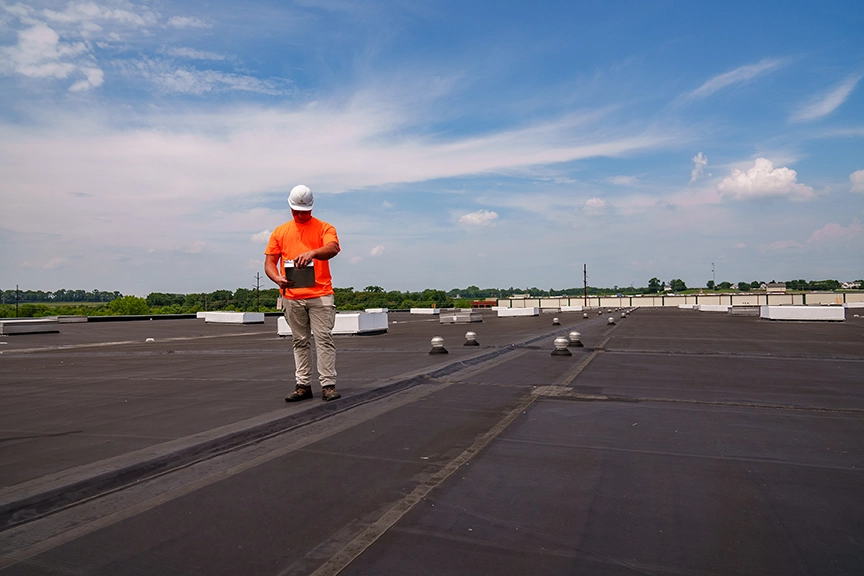
“A commercial roof is out of sight and out of mind,” said Merv Fisher, CEO of Capital 360. “As a result, most facility managers don’t stop to think about how the winter season could have impacted their industrial roofing system.”
All facility managers must have a spring commercial roof inspection performed to ensure their operations continue to run smoothly and without interruption. Spring commercial roof inspections aren’t just routine; they are one of the most cost-effective ways to protect a building after winter stress. Cold weather does more damage than most people realize, and spring is when those problems start showing up. In this blog, we will discuss why a spring commercial roof inspection is important, the benefits of having one performed, and what an inspection should include.
The Importance of Spring Roof Inspections
When it comes to commercial building roof types, there are many different kinds. This includes metal, EPDM, single-ply, cool roof, foam, tar and gravel, rubber, PO, flat, shingle, and all types of commercial roof coatings. But no matter what kind of roof or coating you have, it’s important to conduct a regular spring inspection to ensure your commercial facility runs as efficiently as possible.
A Spring commercial roof assessment can reveal any damage left behind by the winter months. Winter weather can be incredibly harsh on roofing materials. Heavy snow, ice, and wind can cause hidden damage to commercial roofs. More specifically, several problems can result:
- Heavy snow loads can cause structural stress, especially on large flat roofs.
- Ice dams can force water beneath roofing materials, causing ponding water that results in commercial roof leaks or structural damage.
- Freeze–thaw cycles can expand small cracks into bigger problems. This process can also loosen nails and crack seals around vents. The flashing can also become damaged around rooftop penetrations, walls, and curbs. For more information on the negative effects freeze-thaw cycles can have on a roof, check out our blog.
- Membranes can shrink and crack, or seams can separate due to temperature swings.
- Many roofing systems rely on sealants for waterproofing, but thermal cycling can cause sealants to crack or become ineffective.
- The rooftop may have been damaged from plowing snow.
If these issues are not addressed proactively, spring rains will further expose these weaknesses. To prevent these problems from escalating into an emergency roof repair, facility managers should make an annual spring commercial roof inspection a standard practice.
Benefits of a Spring Roof Inspection
It’s ideal to schedule a roofing inspection in the spring because it allows facilities to assess damage before it escalates, particularly before spring and summer storms. Performing a spring roof inspection is also ideal, as there is a better weather window for any repairs that may be needed. There are three main benefits of having a spring roofing inspection.
Saves Money
The first benefit of having a spring commercial roof inspection is that you can find problems before they start, which results in cost savings.
“There are real financial risks that can result from skipping a spring inspection,” said Fisher. “That’s because small issues, like a minor tear or clogged drain, can quickly escalate into structural damage, mold, or insulation issues.”
Other problems that can arise include damage to inventory, equipment, ceilings, and insulation caused by water leaks. A commercial facility can also lose money if it is forced to shut down operations for a short time or permanently to make repairs. For warehouses, downtime can be far more costly than roof repairs.
“When you take all of this information into consideration, facility owners should remember that a spring roof inspection is a preventative treatment, not an expense,” said Bill Morgan, President of Capital 360. “Fixing something early might cost a few hundred dollars versus tens of thousands for major repairs or a premature industrial roof replacement.” To learn more about how identifying commercial roofing issues early can prevent costly maintenance, visit our blog.
Prevents Safety and Liability Issues
The second benefit of having a spring commercial roof inspection is that it helps prevent safety and liability issues. Wet spring weather can increase slip hazards and structural risks. Undetected damage could potentially lead to a roof collapse.
Many commercial roofing warranties require regular inspections and documented maintenance. Skipping these steps can void coverage. Detailed records also help provide the required evidence for insurance claims. Good record keeping may also reduce a business’s liability by demonstrating that the company has taken measures to properly care for and maintain its roof in accordance with applicable building codes and laws. As such, performing a spring roof inspection isn’t just a maintenance issue; it’s risk management!
General Benefits
There are also many general benefits of having a spring commercial roof inspection performed. One, routine inspection and maintenance can significantly extend a roof’s lifespan by 5 to 10 years if issues are addressed proactively. Two, by knowing what issues or problems lie ahead, a facility can make necessary capital planning and budgeting decisions. Three, annual inspections keep warranties valid; and four, an inspection that includes the proper paperwork supplies the documentation needed for insurance and asset management.
What a Professional Roof Inspection Should Include
Now that you know the benefits of a spring roof inspection, you should partner with a reputable roofing company like Capital 360, which offers specialized roofing expertise and in-depth experience for all types of industrial and commercial roofs. Capital 360 conducts a thorough inspection of each customer’s entire roofing system and schedules all maintenance work around customers’ schedules. A Capital 360 commercial roof inspection includes:
- Checking for loose rivets, bolts, and other components
- Examining seams and cracks for leaks
- Looking at low points where water could pool
- Surveying the entire roofing system to detect signs of movement
- Checking other components, such as rooftop units and drainage systems, for signs of issues
- Removing potentially damaging debris.
Preventive maintenance and prompt repairs help ensure optimal longevity and value from your roofing system. If you want to go one step further, facility managers should consider signing up for a commercial roof maintenance plan.
“The difference between a commercial roof inspection and a commercial roof maintenance plan or service plan is that a roof inspection is one visit that assesses the current condition of a roof,” said Morgan. “A maintenance plan, on the other hand, is an ongoing program that includes scheduled inspections plus maintenance and minor repairs throughout the year.”
When you sign up for a Commercial Care Service Plan from Capital 360, our experienced roof technicians conduct a 54-point visual inspection, assess and document the condition of the roof, and provide recommendations on immediate and upcoming repair needs. The Capital 360 Freedom Plan includes superior diagnostics via infrared imaging assessments, repair forecasting, and budget planning. For more information on the benefits of a commercial roof care service plan, see our blog.
If your industrial roof inspection or commercial care service plan reveals that roofing repairs are needed, and you work with Capital 360, you will have the comfort and peace of mind that your roof will be repaired correctly and last for years to come.
“That’s because the Capital 360 roofing team provides honest advice and appropriate roofing solutions,” said Fisher. “The primary industries we serve include education, food and beverage, pharmaceutical, government/municipal, warehousing, and manufacturing.” More specifically, the Capital 360 roof care repair process includes three steps:
Inspection
Capital 360 begins with a thorough inspection and assessment of your roof’s condition to fully understand the root of any problems. After isolating any issues, Capital 360 will identify the best approaches to resolving them.
Consultation
Next, Capital 360 will talk with you about your roof repair options, answer any questions, and provide a detailed and accurate estimate of the roof repair costs. This consultation will give you all the information you need to make an informed decision.
Repair
Once Capital 360 confirms the repair method, we will proceed with the project. We schedule the work promptly, so you can get back to business quickly without worrying about your roof!
Conclusion
As you can see, it’s critical for all facility managers to have a spring commercial roof inspection performed, because it will ensure business operations will continue to run smoothly without interruption while providing other benefits. Now that you know what a spring roof inspection should include, you should set up a contract for this or a commercial roof maintenance program with an experienced roofing company like Capital 360. For more information on commercial roof inspections or commercial care service plans, visit Capital 360.