Why Flashing Failures Lead to Costly Commercial Roof Repairs
On most commercial roofs, leaks don’t begin in the middle. They begin where the roof changes direction: at parapet walls, HVAC curbs, roof drains, expansion joints, pipe penetrations, and skylights. These transition points all depend on one critical component: roof flashing.
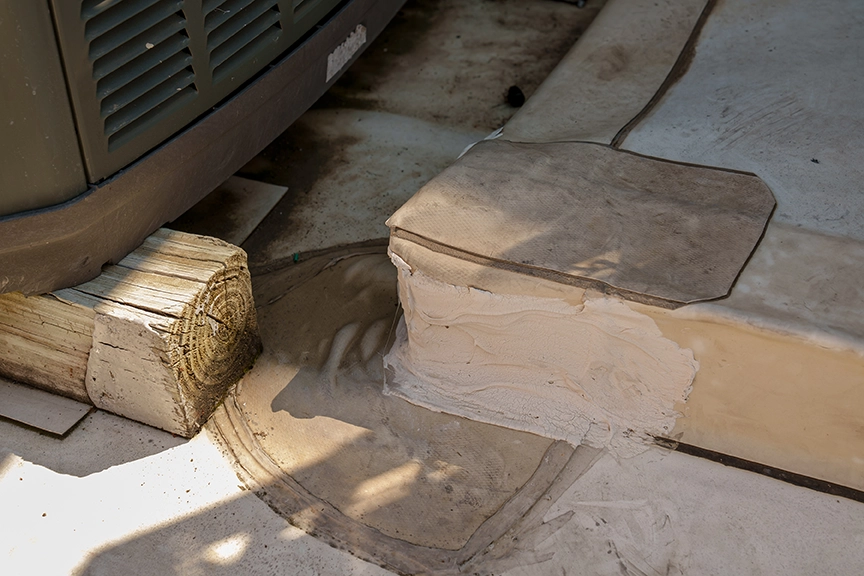
While the field of a commercial roof may cover tens of thousands of square feet, flashing protects the relatively small areas where water is most likely to enter the building. When flashing fails, moisture can quickly reach insulation, decking, interior finishes, inventory, equipment, and operations long before anyone notices a problem.
For facility owners and managers responsible for protecting valuable assets, understanding roof flashing isn’t just a roofing issue. It’s a risk management issue.
“Flashing is one of the most important components of any commercial roofing system because it protects the roof’s most vulnerable areas,” said Merv Fisher, CEO of Capital 360. “Even a small flashing defect can allow water to enter the roofing assembly and create much larger problems if it’s not addressed promptly.”
What Is Commercial Roof Flashing?
Roof flashing is the system of materials that seals and waterproofs every transition in a commercial roofing system.
Unlike the large, uninterrupted field membrane, flashing must bridge changes in elevation, different building materials, and rooftop penetrations while remaining completely watertight despite constant exposure to weather, movement, and thermal expansion.
Flashing is commonly installed around:
- Parapet walls
- Roof edges
- Expansion joints
- Roof drains and scuppers
- Pipes and conduits
- HVAC equipment
- Skylights
- Roof hatches
- Mechanical curbs
Depending on the roofing system, flashing may consist of membrane materials, coated metal, pre-manufactured boots, curbs, or custom-fabricated components designed specifically for each application.
Why Flashing Fails Before the Rest of the Roof
Flashing is often the first part of a commercial roofing system to show signs of failure. Not because it’s poorly designed, but because it experiences the greatest amount of stress. Every day it must withstand:
- Building movement
- Thermal expansion and contraction
- Wind uplift
- UV exposure
- Standing water
- Foot traffic from maintenance personnel
- Equipment vibration
- Freeze-thaw cycles
Over time, these forces gradually weaken seams, fasteners, sealants, and attachment points. Left uncorrected, minor defects become leak pathways.
Common Causes of Flashing Failure
Installation Deficiencies
Many flashing problems begin during the original installation. Improperly welded seams, inadequate fastening, incompatible materials, poor substrate preparation, or incorrect detailing around penetrations can all shorten the life of an otherwise high-quality roofing system. Because flashing details are significantly more complex than installing field membrane, workmanship is especially important.
Building Movement
Every commercial building moves. Seasonal temperature changes, settling, structural loading, and normal expansion and contraction place constant stress on flashing connections. As these movements repeat year after year, flashings can crack, separate, wrinkle, or pull away from adjacent materials.
Maintenance Damage
Many commercial roof leaks occur after service work, not roofing work. HVAC technicians, electricians, plumbers, and other contractors routinely access rooftops. Tools, ladders, dropped equipment, or excessive foot traffic can puncture membranes, bend metal flashings, loosen fasteners, or damage sealants without anyone realizing it.
Weather Exposure
Pennsylvania commercial roofs endure a wide range of weather conditions throughout the year. High winds can loosen edge metal and parapet flashings, UV exposure gradually dries and cracks sealants, freeze-thaw cycles stress joints and seams, and standing water accelerates deterioration while increasing the likelihood of leaks. Over time, even properly installed flashing requires routine maintenance to continue performing as designed.
Warning Signs Facility Managers Should Never Ignore
Many flashing failures develop gradually, providing warning signs before significant water intrusion occurs. During routine roof inspections, look for:
- Loose or lifted flashing
- Open seams or separated joints
- Cracked or deteriorated sealants
- Missing or loose fasteners
- Rust or corrosion
- Wrinkled membrane around penetrations
- Water stains on interior ceilings or walls
- Leaks around rooftop equipment, skylights, parapet walls, or roof penetrations
Finding one of these conditions doesn’t necessarily mean major repairs are required.
It does mean the roof should be evaluated before a relatively inexpensive repair becomes a much larger problem.
Best Practices That Extend Flashing Life
Proper flashing performance depends on much more than quality installation. An effective roof maintenance program should include:
- Annual professional roof inspections
- Prompt replacement of deteriorated sealants
- Repair of loose flashing before water intrusion occurs
- Tightening or replacing loose fasteners
- Early treatment of corrosion
- Keeping drains and scuppers free of debris
- Limiting unnecessary rooftop traffic
- Using designated walk pads around frequently serviced equipment
- Correcting small flashing deficiencies before they expand
Addressing flashing failures early is almost always less expensive than replacing saturated insulation, repairing structural damage, or responding to an active roof leak.
The Value of Annual Roof Inspections
One of the most effective ways to prevent flashing-related failures is through a comprehensive annual roof inspection performed by an experienced commercial roofing professional.
“A roof inspection provides a snapshot of the roof’s current condition and identifies developing problems before they become emergency repairs,” said Bill Morgan, President of Capital 360. “Preventive maintenance consistently delivers a much better return on investment than reactive repairs.”
A thorough inspection should evaluate:
- Flashing conditions
- Membrane integrity
- Roof penetrations
- Fasteners and attachment points
- Sealants
- Drainage performance
- Signs of movement or structural stress
- Areas of ponding water
- Overall roof condition
The resulting inspection report should include photographs, documented observations, repair priorities, and recommendations that help facility managers plan maintenance before failures interrupt operations.
Protect Your Building Before Flashing Problems Become Roof Leaks
Commercial roof flashing protects the most vulnerable areas of your roofing system. When these components begin to fail, water rarely stays confined to one location. Moisture can migrate beneath the roofing assembly, damage insulation, accelerate deterioration, and create costly repairs throughout the building.
The good news is that flashing failures are usually detectable—and repairable—long before they become emergencies.
Regular inspections, prompt maintenance, and experienced commercial roofing professionals can significantly extend the life of your roofing system while helping you avoid unexpected repair costs.
If your facility hasn’t had a professional commercial roof inspection within the past year, Capital Roof Care can provide a comprehensive roof assessment complete with photographs, condition documentation, and practical recommendations to help protect your investment for years to come.