Roof Repair or Roof Replacement: What Makes Sense for Your Commercial Roof
According to Cisco-Eagle, statistics from the United States Energy Information Administration state that 64% of U.S. warehouses are larger than 25,000 square feet. In 2026, the average cost of installing a new commercial roof on a typical warehouse, approximately 15,000 to 25,000 square feet, is between $8 and $15 per square foot. That’s a huge investment!
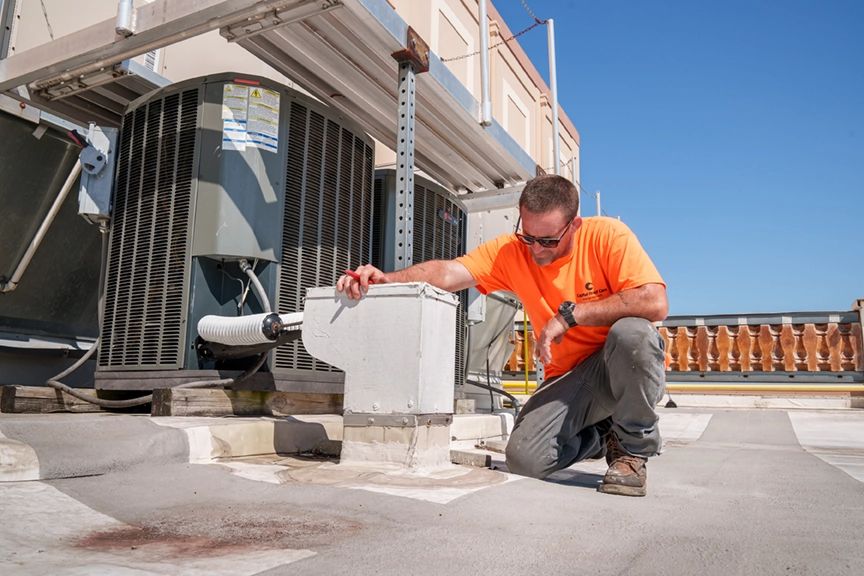
If you are a facility manager, you want to do everything possible to preserve your commercial roof. This starts with determining whether a roof should be repaired or replaced. “In order to be able to make this decision, you must have an annual roof assessment performed, no matter what commercial roof type you have,” said Merv Fisher, CEO of Capital 360. “If the assessment shows the roof isn’t near its expected lifespan and/or the damage is less than 25%, it should be repaired. However, if a full replacement is necessary, other things should be considered.”
In this blog, we will provide recommendations for properly assessing a commercial roof annually, along with suggestions for what to consider to determine whether your roof should be repaired or replaced.
Commercial Roof Assessment
A comprehensive commercial roof inspection should be conducted at least once per year. By doing this, a facility manager can correct small problems before they become an emergency roofing repair. When you have an inspection performed by Capital 360, our inspectors will:
- Check for loose rivets, bolts, and other components
- Examine seams and cracks for leaks
- Look at the low points where water could pool
- Survey the entire roofing system to detect signs of movement
- Check other components, such as rooftop units and drainage systems, for signs of issues
- Remove potentially damaging debris from the roof.
If you want to take things a step further, Capital 360 recommends a Commercial Care Service Plan. “When you sign up for this, our experienced roof technicians conduct a 54-point visual inspection, assess and document the condition of your roof, and provide recommendations on immediate and upcoming repair needs,” said Fisher. “Our Freedom Plan also includes superior diagnostics via infrared imaging assessments, repair forecasting, and budget planning.”
Whether you sign up for an annual industrial roof inspection or a commercial roof care service plan, both will help detect commercial roofing issues early, before they become an expensive problem. There are several signs that indicate a roofing issue.
Loose or Missing Roofing Material
One sign your roof isn’t functioning properly is finding shingles or loose granules from the shingles’ surface on the ground around your facility. Whether it’s shingles, panels, or membrane sheets, the discovery of any missing roofing material indicates there is a problem that leaves the roof vulnerable.
Blistering or Bubbling
A second problem that can indicate a roofing issue is blistering or bubbling. These problems can develop when air or moisture gets trapped between roof layers. This phenomenon often occurs in membrane roofs, such as TPO or EPDM. Over time, this moisture weakens the structure. To ensure blistering and bubbling do not occur, you should inspect the interior roof deck, field of roof, and ceiling every six months.
Cracks, Tears, or Punctures
A third concern that can indicate a problem is visible damage to roofing material, such as a crack, tear, or puncture, which can let water in and cause a commercial roof leak. These issues can be especially prevalent around vents, seams, or flashing. Similarly, cracks in your facility’s interior ceilings and walls could also indicate a problem.
To ensure cracks don’t occur, you should inspect the exterior walls, field of roof, penetrations, and the ceiling of your facility every six months.
Damaged Flashing or Membrane
A fourth sign of a roofing problem is flashing issues, which protect the roof’s edges, walls, and equipment. If the flashing is bent, corroded, or missing, water can sneak through the gaps and cause leaks. A roof’s membrane can also be a cause for concern. This component provides a durable, waterproof, and weather-resistant roof covering. If your commercial roof’s flashing or membrane is damaged, it’s going to cost money to repair. To ensure these components don’t become compromised, you should inspect the field of the roof, penetrations, base curb flashing, roof edges, and HVAC units every six months.
Interior Water Stains or Leaks
A fifth telltale sign of a roofing issue is water damage. If you see water stains on the ceiling or walls inside your facility, the roof may already be compromised, indicating the need for a commercial roof leak repair. Keep in mind that improperly added equipment or anything else on the rooftop, including human foot traffic, can cause water leaks.
To proactively check for signs of leaks, you should inspect these items every six months: the interior roof deck, ceiling, interior and exterior walls, expansion joints, and the fascia/coping/metalwork.
Mold, Mildew, or Musty Odors
A fifth cause for concern is any biological growth, including vegetation, on the rooftop or in standing water. Both issues indicate that there is trapped moisture somewhere, which will weaken a roof’s structure and affect indoor air quality. Changes in the use of a building, especially adjustments that increase or decrease the interior’s relative humidity, can also cause severe condensation within the roofing system, leading to mold, mildew, or musty odors.
Sagging Roof
A sixth indication that you have a roofing problem is if the roof does not look flat and even. Sagging could point to underlying damage or structural issues, or indicate that a commercial roof is experiencing significant weight or pressure in a low spot. Low points on a roof can also gather water and will continue to do so until the issue is addressed. If water cannot drain properly, especially after a significant snowfall or rainstorm, roof sagging can result. As such, pay special attention to this potential issue after any storms.
Debris or Clogged Drains
The final issue that could suggest a roofing issue is any visible pooling on the roof after it rains. If this water doesn’t drain within 48 hours, it’s a red flag that there are drainage issues or sagging areas. Blocked drainage can cause water to back up, speeding up deterioration. For proper drainage, a flat or sloped roof must have a professional commercial roofing contractor install a proper drainage system.
You can ensure your roof drains properly by inspecting the drainage system every six months. Proper roof drainage will prevent water damage, extend a roof’s lifespan, reduce roof weight load, prevent ice dam formation, minimize moisture-related issues, and support the energy efficiency of your facility.
Commercial Roof Repair
Once you have had an annual commercial roof inspection or service plan performed, which can reveal some of the potential roofing problems we just highlighted, you will be better positioned to determine whether your roof should be repaired or replaced. According to Roofing Contractor magazine, there are numerous factors to consider when deciding whether to repair or replace a roof. This includes the age of the building and roof, the current and future purpose/use for the building, whether to include additional insulation, the extent of damage (if any), the type of roof, and your budget.
If the assessment shows the roof isn’t near its expected lifespan and/or the damage is less than 25%, it can be repaired. If this is the case, you can reinstall missing roofing material; repair leaks, cracks, tears, and punctures; replace damaged flashing or membranes; eliminate mold and mildew; and unclog drains so your roof is performing properly again.
Repair Water Leaks
“Since water infiltration seems to be the culprit for the majority of the roof repair issues we shared, it’s good to know what your options are regarding these repairs,” said Bill Morgan, President of Capital 360. “For minor leaks and limited damage, patching is a good solution. Various repair options are designed to adhere to different roof types, from liquid-applied sealants to other materials that are like a single-ply membrane.”
There are also two other things you can do to extend the life of your roofing system – reskinning the roof or applying a restorative coating.
Reskinning
“Reskinning” a commercial roof is an industry term for installing a new roofing membrane over an existing roof system without completely tearing off the old roof. It’s not a good idea to reskin a roof if the existing roof is waterlogged or saturated, there is structural damage to the deck, or there are already two roofing layers.
When a reskin is performed, a contractor will repair any damaged areas, add insulation (if needed), and install a new waterproof layer (membrane) on the roof deck. This is often called a roof overlay or recover system.
Common materials that are used when reskinning a roof include:
- TPO (thermoplastic polyolefin)
- EPDM (rubber roofing)
- PVC membranes
- Modified bitumen.
Reskinning is beneficial because it costs less than a full replacement, installs faster (so there is less downtime), and reduces labor, disposal fees, and landfill waste.
Restorative Coatings
Another option to extend the life of an industrial roof is to apply a restorative coating. Maintenance coating systems provide a cost-effective solution for extending the lifespan of a facility’s roof, particularly when two roof assemblies are already in place.
Restorative coating systems offer several benefits, including waterproofing capabilities. By creating a seamless, fully adhered monolithic layer, coatings eliminate seams and glues and provide self-flashing at roof penetrations. Another advantage of maintenance coatings is their ability to extend the roof’s life by 10-20 years. This is achieved by forming a protective barrier against UV rays, wind, and rain. Additionally, coatings can enhance a roof’s aesthetics by covering existing damage or blemishes, giving it a refreshed appearance.
There are 5 common restorative coatings used on commercial roofs.
Acrylic Elastomeric Coatings
Acrylic elastomeric coatings are among the most widely used roof restoration coatings. Henry 587 Dura-Brite White Elastomeric Roof Coating reflects ~70%+ of sunlight, is flexible (expands/contracts with roof movement), and helps extend roof life and reduce cooling costs. The second type of acrylic coating, GAF RoofShield I.S. Elastomeric Acrylic Coating, is a fast-drying, high-reflectivity “cool roof” coating and works on TPO, EPDM, metal, and BUR systems. The third type, AcryShield Acrylic Roof Coating System, is a multi-layer restoration system (base + topcoat) that is commonly used for spray foam (SPF) and aging roofs.
Silicone Roof Coatings
Silicone roof coatings are the premium coatings used when water sits on a roof deck. There are three recommended types. One, the Henry Pro-Grade 988 Silicone Roof Coating is a 100% silicone, waterproof membrane that is excellent for ponding water areas. Two, the Mule-Hide 100% Silicone Roof Coating, has a long lifespan (often 15–20 years) and strong UV and weather resistance. The third recommended silicone roof coating is CertainTeed SMARTCOAT 650 Silicone Coating, designed for high-traffic commercial roofs and providing a durable, slip-resistant surface.
Acrylic /Silicone Hybrid Coatings
Acrylic/silicone hybrid coatings combine the flexibility of acrylic with the water resistance of silicone. There are two recommended types: The Lanco PRO RC Silicone-Modified Acrylic Coating is a fast-drying, reflective, fiber-reinforced coating with strong adhesion and crack resistance. The Gardner STA-KOOL Elastomeric Pro Coating has a high reflectivity (up to ~87%) and expands up to 300% without cracking.
Aluminum/Asphalt Coatings
Aluminum/asphalt coatings are often used on older built-up roofs (BUR). The most popular coating is Karnak 27 Fibered Aluminum Roof Coating, which reflects sunlight with aluminum flakes and helps protect asphalt-based roofs from UV damage.
High-Performance/Specialty Coatings
Two types of high-performance/specialty coatings are best for long-term restoration systems or harsh environments. The BITEC Storm Breaker HB Silicone Coating is a high-build silicone for heavy-duty restoration and is designed to extend the life of aging commercial roofs. The EnduraTech Acrylic and Silicone Coating provides a seamless, waterproof membrane that is UV-, chemical-, and weather-resistant.
However, if none of these roof repair suggestions are an option, it’s time to consider a full commercial roof replacement.
Commercial Roof Replacement
Most types of commercial roofs don’t fail overnight. Roofs usually degrade over time, and common indicators include persistent or recurring leaks, visible roof deterioration, escalating repair costs, and a roof that is more than 20 years old.
When replacing your facility’s roof, choose a roofing system that withstands harsh conditions and protects your business’s assets for years to come. Since roof replacement involves a significant investment of time and resources, you want to carefully evaluate your roof’s needs and your business’s priorities before committing. Here are four questions facility managers should ask before selecting a new commercial roof.
- How did the previous roof perform? If the building’s existing roof performed poorly, you may decide to switch to a different roofing material.
- What properties does the roof need? Does the roof need chemical resistance or rust inhibitors? Does it need to be UV stable? Must it have low or zero VOCs? Once you know the answers to these questions, you can choose an appropriate roof coating or fluid-applied membrane.
- How soon do I need a new roof? A total roof replacement can take a long time, so this needs to be factored into the planning process.
Every building has unique needs, and your roof’s style may dictate which roofing material offers the greatest benefits. For example, if you want to replace a flat roof, you could select a material like modified bitumen, PVC, TPO, BUR, or EPDM, a rubber roofing material valued for its durability. If you don’t know what types of industrial roofs will meet your requirements, Capital 360 can help you evaluate the options.
The two primary roof replacement options Capital 360 offers are single-ply and spray foam roofing. Single-ply roofing is a flat, polymer-based material that creates a waterproof membrane over a facility’s roof. Lightweight and flexible, single-ply roofing provides an ideal solution for flat roofs. Many single-ply materials can be fully or partially recycled. Examples of this type of roofing include EPDM, PVC, TPO, TPE, and PIB.
Spray foam roofing, which is also known as spray polyurethane foam, offers an economical roof replacement solution. This spray-on material conforms to any roof shape, offers high chemical resistance, and insulates the roof to boost energy efficiency.
Conclusion
Now that you know how to accurately assess a commercial roof annually and which factors to consider to determine whether your roof needs repair or replacement, you are equipped to move forward. If you need assistance setting up an annual inspection or a commercial roof maintenance plan, need repairs, or want a new roof installed, contact Capital 360.
To help minimize downtime and protect your business’s assets, Capital 360 will complete the work quickly and follow all rules and guidelines while on site. “We also conduct our work around our customers’ schedules,” said Morgan. “That means you can plan for interruptions to occur when they have the least impact on your business. If we replace your roof, we will inspect the final result carefully to ensure proper work quality and your satisfaction.” For more information, contact Capital 360.
Sources:
https://www.cisco-eagle.com/vector/516/the-typical-warehouse#:~:text=Warehouse%20size,25%2C000%20square%20feet%20in%20size https://www.roofingcontractor.com/articles/98739-roofing-assessment-to-repair-restore-or-replace