Roof Care Service Plans: What’s Included & Why They Matter
When it comes to commercial building roof types, it doesn’t matter what the size, complexity, or type you have—TPO, metal, EPDM, single-ply, cool roof, foam, tar and gravel, flat, or shingle—it’s important to take care of this significant investment with regular maintenance. That’s because preventative roof care can save facility owners money in the long run.
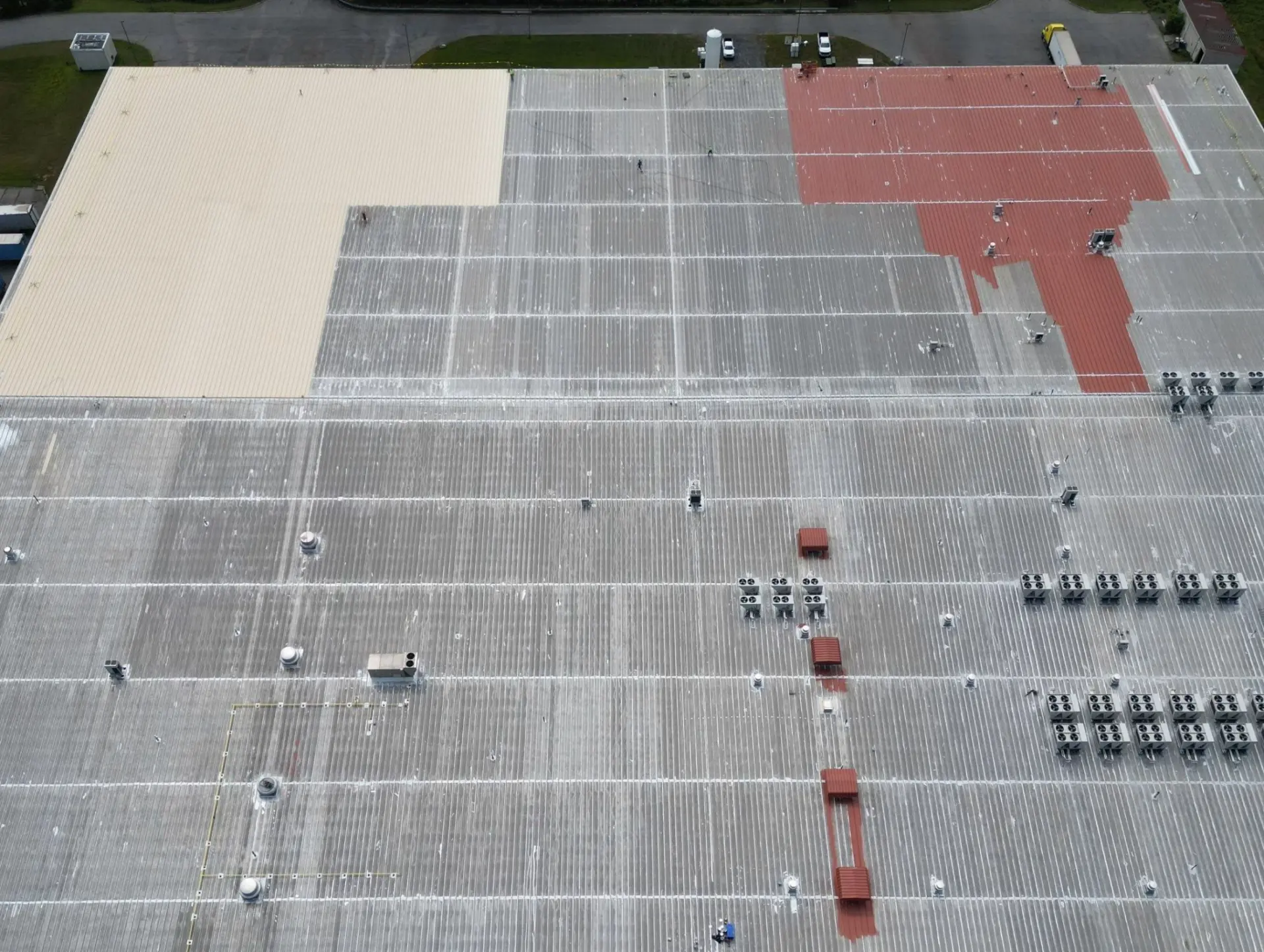
For industrial roof types, there are different plans available, but the most important is a roof maintenance plan.
“A roof that receives regular maintenance will function more efficiently and last longer than one that has gotten haphazard care,” said Steven Fisher, Brand Manager for Capital 360. “A commercial roof care service plan should include everything in a standard roof inspection and more.”
In this blog, we will review what a commercial roof care service plan is, what a standard plan should include, the benefits of having a regular maintenance plan, and the different types of roof care service plans available.
Commercial Roof Care Service Plan
A commercial roof maintenance plan is a proactive, ongoing program that includes a commercial roof assessment and routine care.
“It typically consists of a contract with a professional roofing company, like Capital360, that includes bi-annual commercial roof inspections, which we typically conduct in the spring and fall. The plan should also include performing immediate preventative actions, if necessary,” said Bill Morgan, President of Capital 360.The most valuable roof care service plans go beyond simple inspections. These programs treat the roof as a critical building asset that requires ongoing management and lifecycle planning. All of this is critical because the most important reason to have a commercial roof care service plan is to protect a facility owner’s investment while reducing risk, surprises, and long-term costs. No business wants to confront an industrial roof replacement that wasn’t in the capital budget.
What Should Be Included in a Roof Care Service Plan
Before you sign an agreement with a reputable roofing company for a commercial roof care service plan, you should select a partner that has specialized roofing expertise. The roofing expert you select should, at the very minimum, perform these services as part of a “basic” roof care service plan:
- Conduct a visual inspection
- Organize roof warranty information
- Keep track of maintenance requirements
- Assess the conditions of the roof regularly
- Identify repair needs
- Document all roof maintenance assessments and repair activities
- Offer priority 24/7 service for all repair needs.
“When you sign up for a basic roof care service plan with Capital 360, our experienced roof technicians conduct a 54-point visual inspection,” said Morgan. “Our team will then assess and document the condition of the roof, provide recommendations on immediate and upcoming repair needs, offer priority customer service, and deliver 24/7 access to roof maintenance information.
”Capital 360’s “basic” roof care service plan, the Compliance Plan, offers peace of mind and is ideal for businesses with tight budgets. It ensures a company’s roof is assessed regularly, undergoes one visual inspection per year, and is aware of its roof warranty requirements.
Benefits of a Commercial Roof Care Service Plan
A roof that receives regular maintenance will function more effectively and last longer than one that only receives annual or haphazard care. “Capital 360 offers a variety of commercial roof maintenance programs to ensure businesses keep their roofs in the best condition possible for as long as possible,” said Morgan. There are many benefits to having a commercial roof care service plan.
Reduced Cost of Ownership
Roofs that receive proper maintenance tend to last longer, making your investment go further. A healthy industrial roof will also save your company money. Scheduled roof maintenance visits cost less than paying for a roof leak repair, emergency roof repair service, or an industrial roof replacement, which may become necessary prematurely when a roof is neglected. All these benefits will help to improve a facility’s budgeting process, since unplanned roofing issues can be avoided.
Ability to Plan Ahead
Major roof repairs can be disruptive, requiring a commercial facility to temporarily shut down operations. However, with a roof maintenance schedule in place, facilities can plan for repairs and avoid downtime.
“Capital 360’s service teams can complete inspections and most other maintenance tasks while your business continues to operate,” said Morgan. “Increased uptime results in optimal productivity year-round.”
More Room on Your Plate
If you manage an industrial facility, you have plenty of maintenance tasks to keep track of. By implementing a roof care service plan, you can delegate this responsibility. It’s also a good idea to get an extra set of expert eyes on your complex roofing system. By scheduling roof care visits at regular intervals, facility managers know their roof maintenance will always be completed on time.
Compliance Peace of Mind
Regular industrial roof inspections help businesses maintain compliance with industry requirements and warranty contracts. With a Capital 360 roof care service plan, trained professionals perform scheduled inspections and carefully document a roof’s history, maintenance activities, and repairs. These detailed records also help to provide the required evidence for insurance claims. By being proactive, a commercial facility may reduce its liability by demonstrating that it has taken measures to properly care for and maintain its roof in accordance with applicable building codes and laws.More specifically, when it comes to compliance, a commercial roof must simultaneously satisfy local legislation, federal safety mandates, environmental laws, and private corporate contracts. Regular roofing inspections keep businesses compliant across six major categories:
- Local Building Codes (IBC) Compliance: Most municipalities base their regulations on IBC. Code compliance is legally mandated, and non-compliance can result in heavy fines, delayed occupancy permits, or forced tear-offs.
- Insurance Policy Mandates: Commercial property insurers are increasingly strict about risk mitigation. To maintain coverage or qualify for competitive premiums, carriers often require documented proof of a roof’s structural integrity.
- Risk Underwriting: Insurers frequently mandate professional inspections at specific milestones, such as when a roof reaches the 10- or 15-year mark or when a policy is up for renewal.
- Claim Pre-requisites: Following a major storm that caused damage due to hail or high winds, a prompt, documented professional inspection is usually required to differentiate new storm damage from pre-existing, unmaintained wear-and-tear. If neglect is found, claims can be denied.
- Energy and Environmental Codes: Commercial buildings face growing pressure to meet stringent energy-efficiency standards, such as ASHRAE 90.1 or local environmental ordinances.6. Occupational Safety and Health Administration (OSHA) Safety Standards: While OSHA compliance heavily impacts contractors working on a roof, property owners share liability if they permit unsafe conditions.
Different Types of Roof Care Service Plan Levels
We have already described what should be included in a “basic” roof care service plan and the benefits of an ongoing maintenance program. Now we will reveal the other levels of care facility managers should also be aware of when it comes to commercial roof care service plans. Here’s an example of a “better” and “best” roof care maintenance plan offered by Capital 360.
Assurance Plan
The Assurance Plan is Capital 360’s “better” roof care maintenance plan and is recommended for most companies. The Assurance Plan is ideal for companies that want to ensure they stay current with their warranties’ maintenance requirements and comply with industry regulations. When customers sign up for this plan, they enjoy discounted repair costs and a 5% discount on materials used during Capital 360 service calls.
Freedom Plan
Capital 360’s Freedom Plan is the company’s “best” roof care maintenance plan. It is optimal for companies that want the most comprehensive plan or have multiple buildings, as they require a sound, sensible roof maintenance strategy.
“We have created a detailed strategy for scheduling maintenance and repairs for all roofs,” said Fisher. “Having a strategy helps you keep service costs aligned with your company’s budget and provides justification for making maintenance fund requests to upper management or your board of directors.”
Unlike the Compliance and Assurance roof care service plans from Capital 360, the Freedom Plan offers a unique feature: a Roof Core Test. This test is a diagnostic method in which roofing professionals cut and extract a small, cylindrical plug from a commercial roof. You can think of it as a medical biopsy for your roof. This procedure exposes every layer of the roof down to the structural deck and can confirm the roof’s internal composition and condition. This test can also reveal hidden moisture, assess the substrate, and provide physical documentation for warranty verification or insurance claims.
The Freedom plan also offers additional benefits. It includes superior diagnostics via infrared imaging assessments, repair forecasting, and budget planning. This plan also offers a 10% discount on service call materials and labor, delivering optimal value and peace of mind.
Now that you know what a commercial roof care service plan is, what a typical plan should include, the benefits of having a regular maintenance plan, and the different levels of service plans that are available, facility managers have the information they need to select a roofing company and plan that works best for them. Although there are many types of commercial roofs on the market, Capital 360 offers a service plan designed to support all of them. Contact us today for more information.